
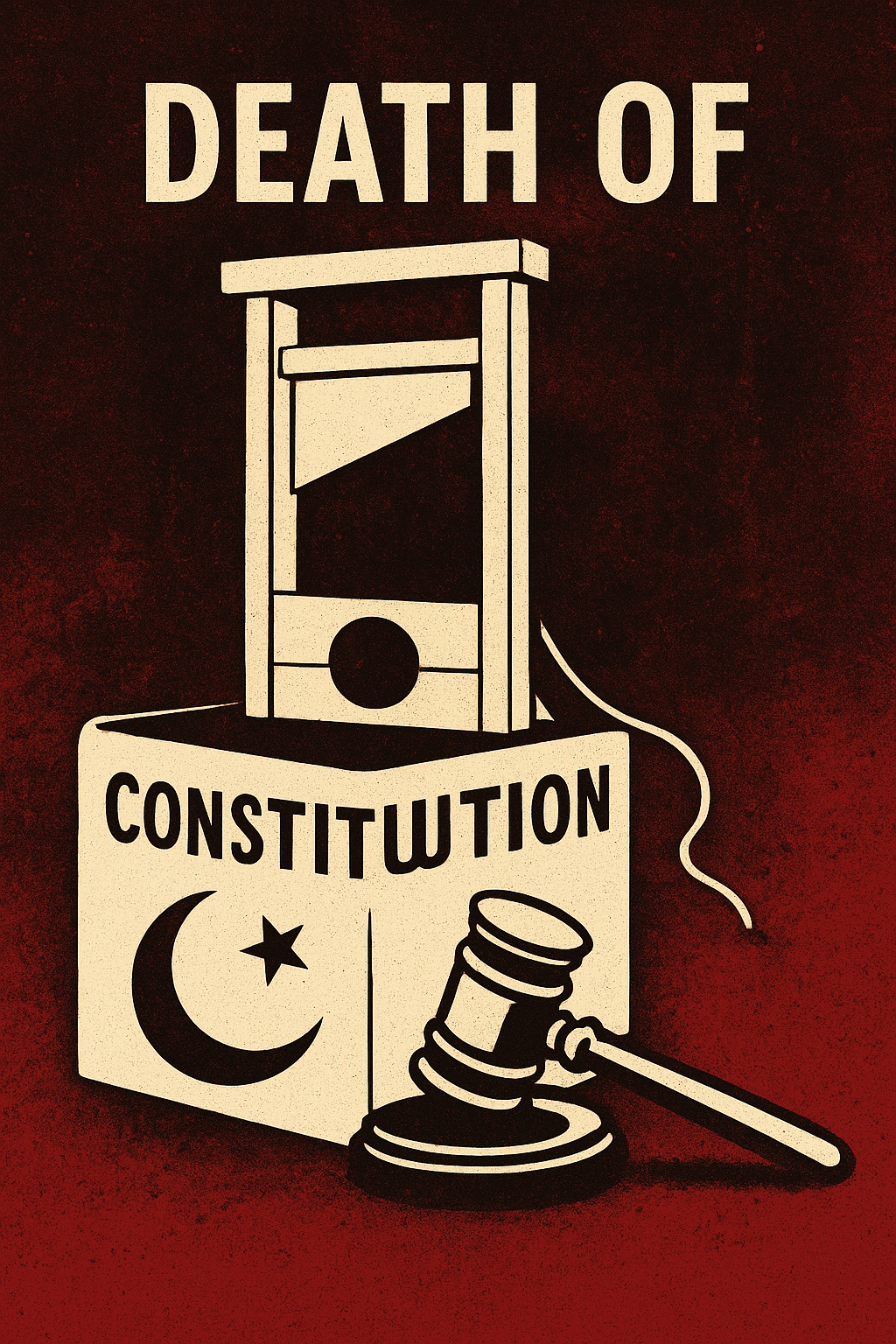
Pakistan has witnessed one of the darkest chapters in its constitutional history — a time when the Constitution wasn’t just violated, it was slaughtered in broad daylight. And the nation knows exactly who stood at the frontlines of this destruction.
According to the public’s outrage and opposition’s narrative, a small circle of power players became the architects of Pakistan’s constitutional collapse:
Chief Justice Qazi Faez Isa
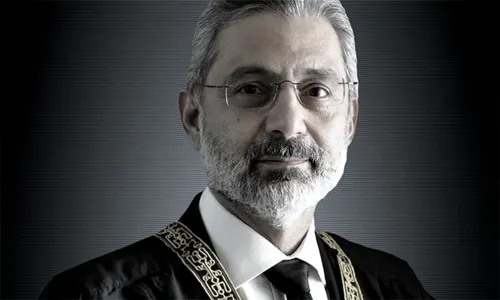
For many Pakistanis, Isa’s court became the epicenter of decisions that crushed democratic rights, manipulated electoral mandates, and handed unchecked power to a government that had no public legitimacy. Critics call it judicial overreach weaponized against the people.
Justice Amin-ud-Din Khan

Widely accused by the public of enabling political engineering, his role in controversial rulings — especially on reserved seats — is seen as one of the biggest blows to free representation. Many believe his judgments helped turn Parliament into a rubber-stamp institution.
Justice Mandokhel
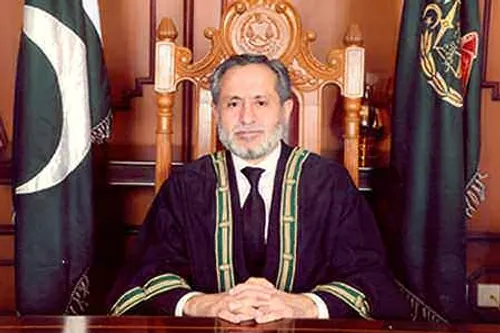
A key figure in benches that made pre-decided, politically convenient rulings. Opponents say he stood shoulder-to-shoulder with forces determined to bury judicial independence beneath executive power.
Law Minister Azam Nazeer Tarar

The man behind the legal smokescreen. According to critics, Tarar transformed the Law Ministry into a factory for anti-democratic amendments, bulldozing through Parliament decisions that shredded constitutional protections and silenced the people’s mandate.
Attorney General Usman Awan

Seen as the legal spearhead of the regime, aggressively defending every unconstitutional step in court. Critics say he became the government’s shield — not the Constitution’s.
The Verdict in the Court of Public Opinion
What happened wasn’t reform.
It wasn’t interpretation.
It wasn’t legislation.
According to millions of Pakistanis, it was a coordinated political and judicial assault that ripped apart the very soul of the Republic.
And history will remember the names.