
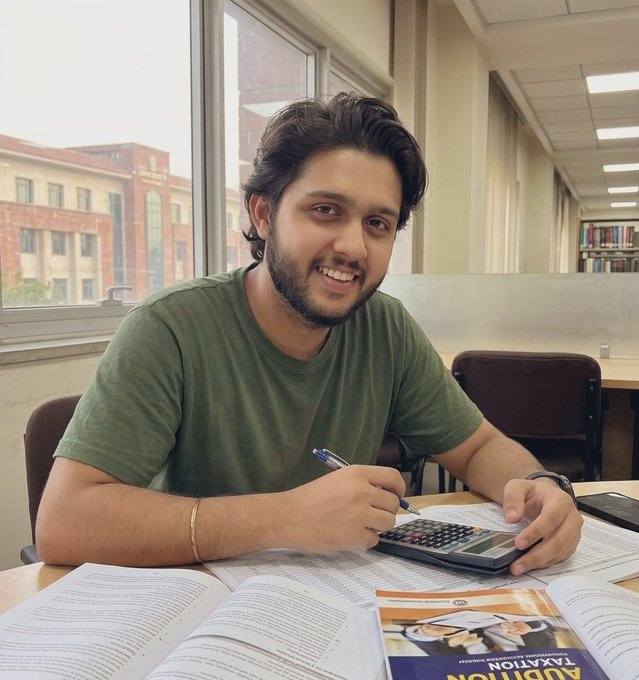
Ali Raza was studying Chartered Accountancy while running a business to build the future he dreamed of. Today, that future remains on hold.
Ali Raza was sentenced to six years in prison by a military court and, according to his family and those advocating for him, has now spent roughly three years behind bars.
Like other civilians convicted by military courts, he still does not have access to an independent appeal before a High Court. His family also says he has not been provided a reasoned judgment setting out the findings against him or a copy of the sentencing order.
On May 7, 2025, the Supreme Court upheld civilian trials under the Pakistan Army Act but directed the government and Parliament to amend the law within 45 days to provide civilians convicted by military courts an independent right of appeal before the High Courts.
More than a year later, that promised appellate mechanism had still not been legislated.
For Ali Raza and other civilian military-court convicts, the issue is fundamental: access to an independent appeal, transparency in judicial proceedings, and the right to know and challenge the case on which a person has been convicted.
Their families continue to wait for that legal process to become available.
علی رضا چارٹرڈ اکاؤنٹنسی کی تعلیم حاصل کر رہا تھا اور اپنے خواب پورے کرنے کے لیے ساتھ ساتھ کاروبار بھی چلا رہا تھا۔ ایک ایسا نوجوان جس کی پوری زندگی ابھی اس کے سامنے تھی، فوجی عدالت سے چھ سال قید کی سزا کے بعد پچھلے تین سال سے قید ہے۔
— Faiza Murad (@fayezasays) May 17, 2026
باقی ملٹری قیدیوں کی طرح علی رضا کو بھی آج… https://t.co/u6fSFbZaZ9 pic.twitter.com/NeNglvncqA