
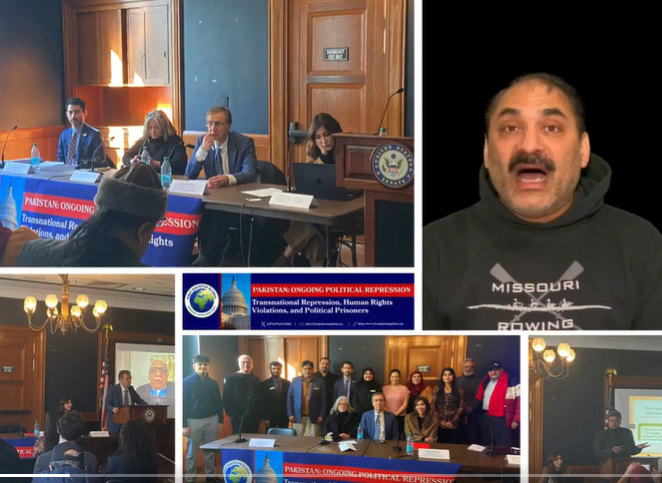
The U.S. Senate conducted its first-ever briefing on the issue of Transnational Repression, bringing to light how foreign authoritarian regimes are increasingly targeting individuals on U.S. soil. The briefing focused on the threats posed to democratic freedoms and civil liberties when foreign Governments engage in intimidation, coercion, or harassment of Americans abroad or domestically.
Key Highlights:
- First-Hand Testimony: Senate staffers heard detailed accounts of how foreign governments exert pressure on individuals living in the United States, including threats, surveillance, and harassment. These practices raise urgent concerns about the protection of First Amendment rights and the ability of citizens to express themselves freely.
- Scope of Threat: The briefing emphasized that transnational repression is not limited to expatriates but can also affect activists, journalists, and political dissidents within the U.S., demonstrating the global reach of authoritarian regimes.
- Call for Accountability: Lawmakers and experts underscored that such acts of repression on U.S. soil are violations of American law and democratic norms. The briefing stressed the need for legal and policy frameworks to hold foreign actors accountable and safeguard civil liberties.
While the briefing was U.S.-focused, the discussion highlighted a growing global trend where authoritarian regimes Pakistan among them have been involved in transnational repression, targeting dissidents, journalists, and political opponents abroad. This underscores the need for heightened awareness, monitoring, and international cooperation to protect affected individuals and uphold democratic rights.
The Senate briefing served as a critical step in recognizing the global reach of authoritarian repression and its impact on democratic societies. It called for robust mechanisms under U.S. law to prevent and respond to such transnational threats, ensuring the protection of citizens’ fundamental rights.
🚨 HISTORIC & IMPACTFUL SENATE BRIEFING
— FirstPakistanGlobal (@FirstPakGlobal) January 30, 2026
🇺🇸 Yesterday marked the first-ever U.S. Senate briefing on Transnational Repression, exposing how foreign authoritarian regimes target Americans on U.S. soil.
Staffers heard firsthand testimony detailing intimidation and coercion—raising… pic.twitter.com/Fghu7EJHE0
A 5 part🧵on very important US Senate briefing.
— Jehanzeb Paracha (@JehanzebParacha) January 31, 2026
Maria Kari @mariakari1414 : Pakistani establishment is deeply insecure. They are terrified of being called out on social media. This is one area of transnational repression to watch closely.
1/5#AllowAccessToImranKhan pic.twitter.com/VRzM7bMelK